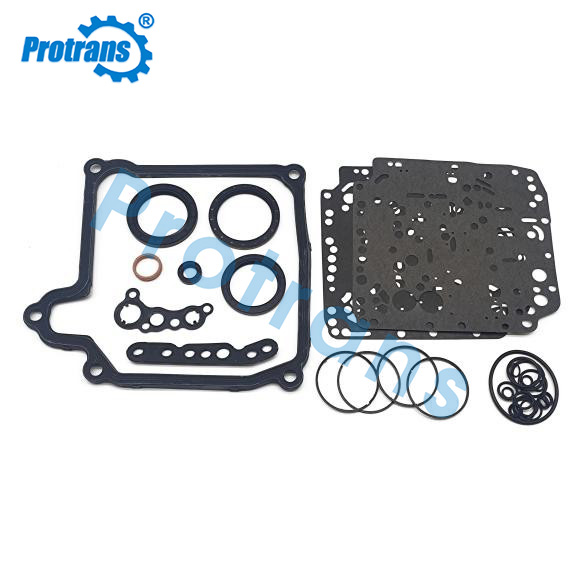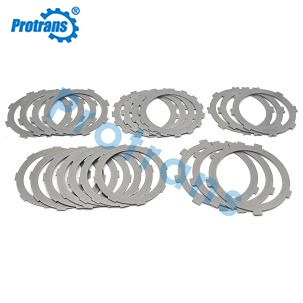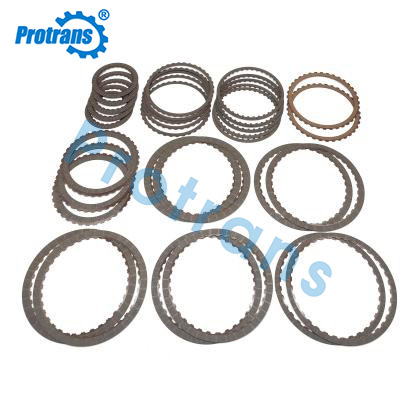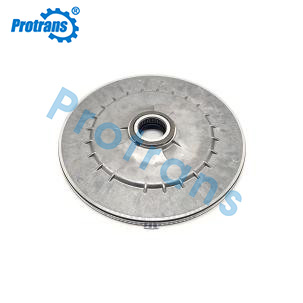
Abstract · This article provides a detailed technical examination of the 8P75 Oil Seal For BMW, exploring its role within the 8HP75 automatic transmission, its material composition, and its contribution to transmission reliability. The discussion covers the operating environment, sealing mechanisms, failure indicators, replacement procedures, and the importance of correct installation for maintaining shift quality and preventing fluid loss.
01. The 8HP75 Transmission and Oil Seal Function
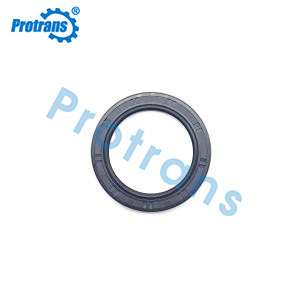
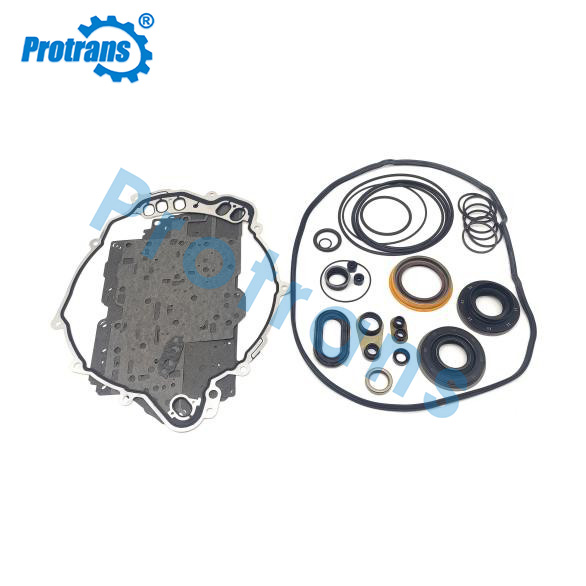
The 8P75 Oil Seal For BMW is a critical component within the ZF 8HP75 automatic transmission, a widely used 8-speed unit found in numerous BMW models, including the 3 Series, 5 Series, X3, and X5. This seal is engineered to contain automatic transmission fluid (ATF) within the transmission housing while preventing the ingress of contaminants and moisture from the external environment.
The 8HP75 transmission is known for its smooth shifting, efficiency, and durability. The oil seal plays a vital role in maintaining the hydraulic pressure required for clutch engagement and gear changes. A compromised seal can lead to fluid loss, pressure drops, and eventual transmission malfunction. The specific designation "8P75" identifies the seal's compatibility with this transmission family, ensuring a precise fit and reliable performance.
ZF 8HP75 (8-speed automatic)
Fluid containment and pressure retention
BMW 3, 5, 7 Series; X3, X5, X6
02. Material Composition and Sealing Mechanisms
Excellent oil resistance and mechanical strength; suitable for ATF environments
Superior high-temperature resistance and chemical compatibility
Reduces friction and extends seal life in high-speed applications
Provides structural rigidity and precise fit within the housing bore
The 8P75 oil seal is typically manufactured from high-performance elastomers such as Nitrile Butadiene Rubber (NBR) or Fluororubber (FKM). These materials are selected for their resistance to ATF, which contains detergents and anti-wear additives that can degrade lower-quality rubbers. The operating temperature range for these seals is typically -40°C to +150°C, ensuring reliable performance under both cold starts and sustained high-load operation. The sealing lip is precisely molded to provide a dynamic seal against the rotating shaft while maintaining contact pressure through the spring energizer.
03. Operating Environment and Thermal Considerations
The 8P75 Oil Seal For BMW operates in a demanding environment characterized by high temperatures, pressure fluctuations, and continuous exposure to aggressive fluids. The seal must maintain its integrity across a wide range of operating conditions.
- Thermal Cycling: The transmission fluid can reach temperatures of 120°C or higher during heavy load or towing, while cold starts can expose the seal to sub-zero temperatures.
- Chemical Exposure: ATF contains additives that can attack incompatible elastomers. The seal material must be specifically formulated for compatibility.
- Pressure Fluctuations: The seal is subjected to pressure differentials as the transmission shifts and the torque converter locks and unlocks.
- Shaft Rotation: The seal lip runs against a rotating shaft, requiring low friction and high wear resistance.
Thermal Note: High temperatures can accelerate the aging of elastomeric seals, causing them to harden, crack, or lose elasticity. This is a primary cause of seal failure in high-mileage transmissions.
04. Failure Modes and Diagnostic Indicators
A failing 8P75 Oil Seal For BMW can manifest through several observable symptoms. Early detection is crucial to prevent more extensive transmission damage.
| Symptom | Likely Cause | Implication |
|---|---|---|
| Fluid leaks under vehicle | Seal lip wear or damage | Loss of ATF, potential pressure drop |
| Low transmission fluid level | Gradual seal leakage | Risk of overheating and accelerated wear |
| Delayed or harsh shifting | Low hydraulic pressure | Poor shift quality, possible limp mode |
| Burning smell | Fluid contacting hot exhaust | Potential fire hazard, fluid degradation |
| Contaminated fluid | External contaminants entering through failed seal | Internal wear, valve body malfunction |
Seal failure can result from a combination of factors, including normal wear over time, exposure to excessive heat, contamination of the transmission fluid, or improper installation. In some cases, a worn output shaft bearing can cause excessive shaft movement, accelerating seal wear.
05. Replacement Procedure and Installation Best Practices
Replacing the 8P75 Oil Seal For BMW requires careful attention to detail to ensure a successful repair. The following best practices should be observed:
- Cleanliness: Thoroughly clean the area around the seal before removal to prevent dirt and debris from entering the transmission.
- Proper Removal: Use a seal puller or a suitable pry bar to remove the old seal without damaging the housing bore or the shaft.
- Inspection: Inspect the shaft surface for wear, scoring, or corrosion. A damaged shaft can cause the new seal to leak prematurely.
- Lubrication: Apply a small amount of clean ATF to the seal lip before installation to prevent dry running during initial startup.
- Installation Tool: Use a seal driver or a suitable socket to press the seal squarely into the bore. Applying force unevenly can damage the seal or distort the lip.
- Depth Control: Ensure the seal is installed to the correct depth, flush with the housing surface or as specified by the manufacturer.
- Verification: After installation, verify that the seal is seated properly and the lip is in contact with the shaft.
Installation Note: Always refer to the vehicle's service manual for the specific torque specifications and seal installation depth for your BMW model. Using the correct tools and procedures is essential for a reliable repair.
06. Quality Standards and Component Sourcing
The quality of the 8P75 oil seal directly affects its performance and longevity. When sourcing a replacement seal, it is important to choose a product that meets or exceeds the original equipment specifications.
- OEM Quality: Look for seals manufactured to the same standards as the original equipment. This ensures proper fit, material compatibility, and performance.
- Material Certification: Verify that the seal material is suitable for ATF and the operating temperature range of the transmission.
- Supplier Reputation: Choose a reputable supplier with experience in transmission components. This reduces the risk of receiving counterfeit or substandard parts.
- Warranty: A supplier that offers a warranty on their seals demonstrates confidence in their product quality.
Frequently Asked Questions
Technical specifications and availability may vary. Always consult the manufacturer's documentation for your specific vehicle application.